
Brain Injury Rehabilitation in the GTA 2026: How Exercise Therapy Supports Neurological Recovery After an Accident
A brain injury can have life-changing effects on physical movement, memory, concentration, balance, and emotional well-being. Whether caused by a minor concussion or a severe traumatic brain injury following a motor vehicle accident, timely rehabilitation plays a critical role in recovery. Modern brain injury rehabilitation GTA programs combine medical care with evidence-based therapies that help individuals regain independence and improve their quality of life. Among these treatments, exercise therapy has become an essential component because it supports neurological healing while improving physical function. Understanding how rehabilitation works can help accident survivors and their families make informed decisions. This guide explains how brain injury rehabilitation GTA programs use exercise therapy, what services are available, and what patients can expect during the recovery journey.
Understanding Brain Injury Rehabilitation
Brain injury rehabilitation is a personalized treatment process designed to restore physical, cognitive, emotional, and functional abilities after a neurological injury. Every recovery plan is tailored to the patient’s symptoms, injury severity, age, and personal goals.
Healthcare professionals begin with a comprehensive assessment before creating a multidisciplinary rehabilitation program. Treatment may involve physiotherapists, occupational therapists, speech-language pathologists, psychologists, kinesiologists, and physicians working together to maximize recovery.
Many patients choose brain injury rehabilitation GTA services because these programs address both visible physical impairments and less obvious cognitive or emotional challenges that often follow an accident.
How Exercise Therapy Supports Brain Injury Recovery
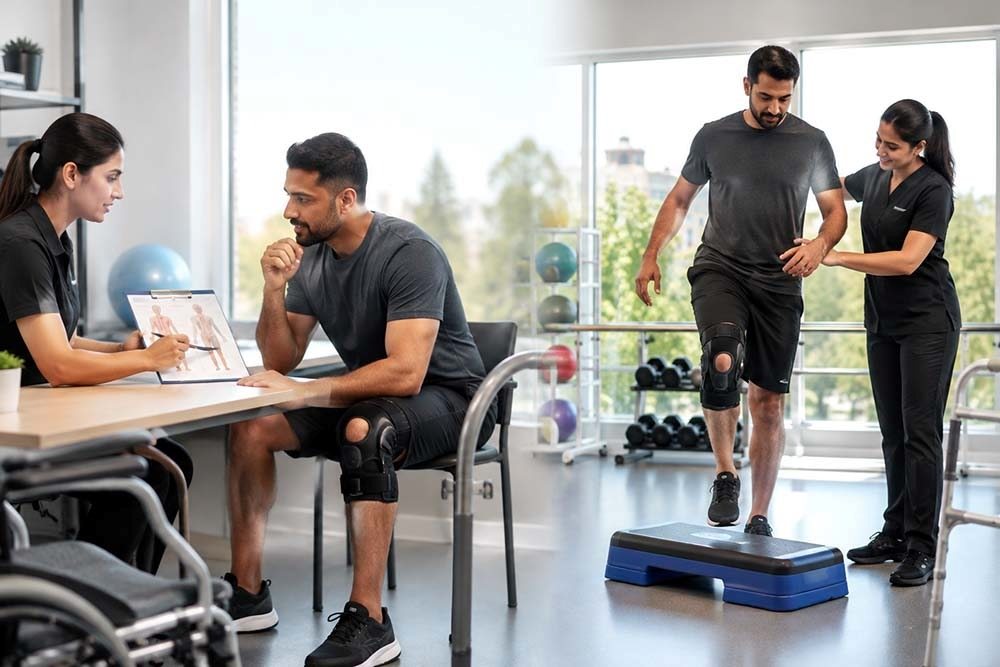
One of the most valuable components of rehabilitation is exercise therapy for brain injury in Ontario programs. Unlike general fitness routines, therapeutic exercises are carefully designed to improve mobility, coordination, strength, balance, endurance, and overall neurological function while respecting the patient’s limitations.
Following a brain injury, inactivity may contribute to muscle weakness, reduced flexibility, and declining cardiovascular fitness. Structured exercise therapy gradually rebuilds physical capacity while encouraging safe movement patterns.
Healthcare providers often recommend exercise therapy for brain injury in Ontario because regular physical activity supports neuroplasticity, the brain’s ability to reorganize and develop new neural connections. This process can contribute to improvements in balance, coordination, and functional independence.
As recovery progresses, exercise therapy for brain injury in Ontario programs is adjusted to include more challenging activities that match each patient’s abilities and rehabilitation goals, ensuring continuous improvement without compromising safety.
Neurological Rehabilitation After an Accident
Professional neurological rehab after an accident, GTA services focus on restoring everyday function rather than simply treating symptoms. Rehabilitation addresses mobility limitations, dizziness, fatigue, vision changes, cognitive challenges, communication difficulties, and emotional health.
Patients typically participate in supervised therapy sessions that combine physical exercises with functional training, balance activities, gait retraining, coordination drills, and cognitive rehabilitation techniques.
Comprehensive neurological rehab after an accident, GTA programs also educate families and caregivers about recovery expectations while providing strategies to support patients at home.
Because every brain injury is unique, neurological rehab after accident GTA treatment plans are continually reviewed and modified based on progress, helping individuals recover as safely and efficiently as possible.
Brain Injury Recovery Programs in Brampton
Individuals living in Peel Region have access to specialized brain injury recovery program Brampton services that provide coordinated rehabilitation close to home. Many clinics offer multidisciplinary care, allowing patients to receive several therapies within one facility.
Programs may include physiotherapy, occupational therapy, exercise therapy, cognitive rehabilitation, speech therapy, vestibular rehabilitation, and psychological support, depending on each patient’s condition.
Choosing a structured brain injury recovery program in Brampton allows healthcare professionals to monitor recovery regularly while adjusting treatment plans according to changing needs and rehabilitation goals.
An experienced brain injury recovery program in Brampton also emphasizes education, home exercise programs, and long-term wellness strategies that help patients maintain progress after formal rehabilitation ends.
Tips for Maximizing Recovery
Successful rehabilitation requires consistency, patience, and active participation. Attending scheduled appointments, completing prescribed home exercises, maintaining healthy nutrition, getting adequate sleep, and communicating openly with your healthcare team all contribute to better outcomes.
Recovery timelines vary significantly from one person to another. While some individuals experience noticeable improvements within weeks, others require several months or longer, depending on injury severity, overall health, and response to treatment.
Frequently Asked Questions
Q1. How does exercise therapy help with brain injury recovery?
A: Exercise therapy improves strength, balance, coordination, endurance, flexibility, and mobility while supporting neuroplasticity. It helps patients safely regain functional independence and participate more comfortably in daily activities.
Q2. What rehabilitation services are available for brain injury survivors in the GTA?
A: Depending on individual needs, rehabilitation services may include physiotherapy, occupational therapy, exercise therapy, speech-language therapy, cognitive rehabilitation, vestibular rehabilitation, psychological counselling, and multidisciplinary medical care.
Q3. How long does brain injury rehabilitation take after a car accident?
A: Recovery varies widely based on the severity of the brain injury, associated medical conditions, and individual progress. Some patients improve within weeks, while others benefit from rehabilitation lasting several months or longer.
Q4. Can exercise therapy improve cognitive function after a brain injury?
A: Research suggests that appropriately supervised exercise therapy may support cognitive recovery by promoting blood flow, neuroplasticity, and overall brain health. It is most effective when incorporated into a comprehensive rehabilitation program tailored to the individual’s needs.

Leave a Reply